
Why Skipping Oil Changes Costs More Than the Change Itself

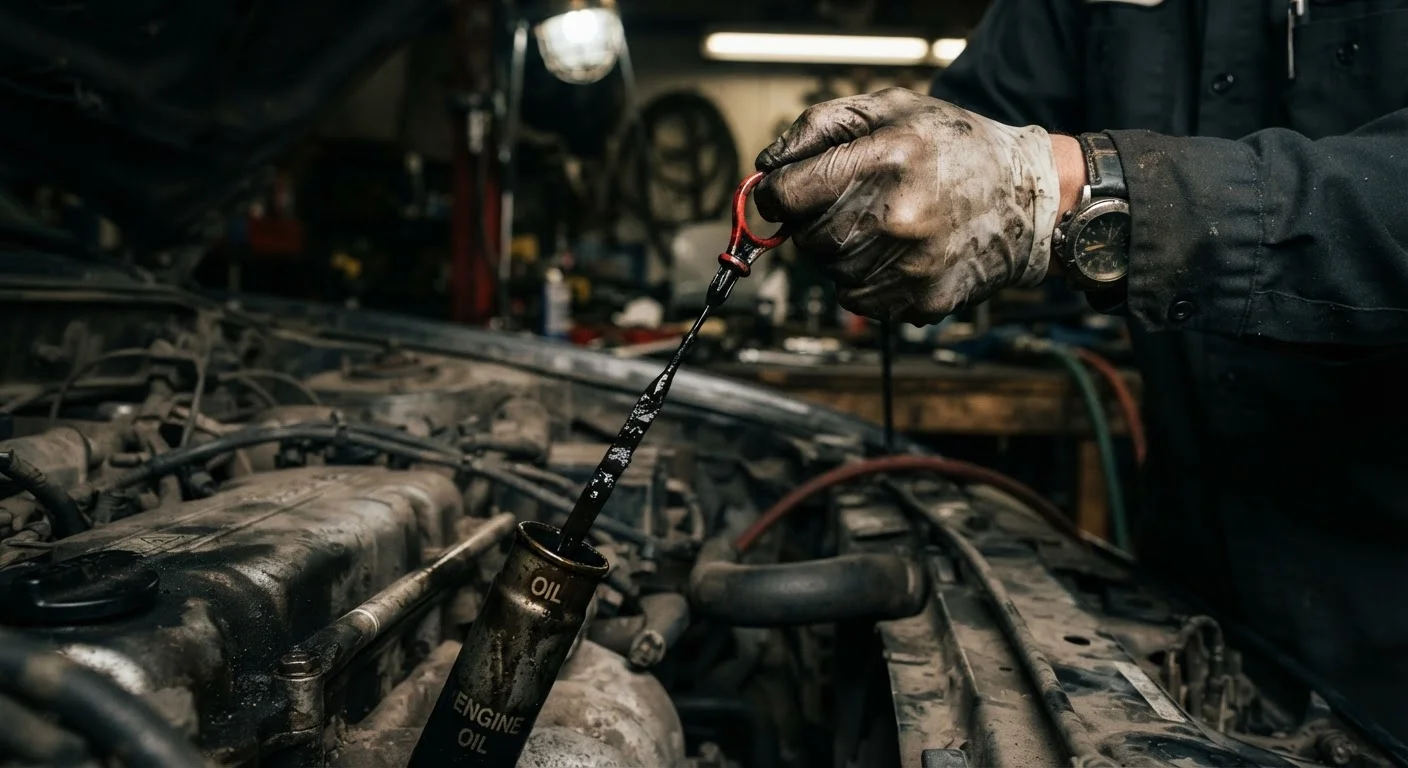
Photo: everyday-trends.com editorial
Key Takeaways
- Skipping oil changes accelerates engine wear and can lead to repair bills far exceeding the cost of routine service.
- Degraded oil loses its ability to lubricate and cool engine components, causing cumulative damage over time.
- Many families delay oil changes due to cost concerns, but the deferred expense is almost always larger.
- Consistent oil change intervals protect resale value and can extend a vehicle's usable life by years.
- Using the wrong oil type or interval for your specific vehicle can be as damaging as skipping changes entirely.
How oil degradation damages engines
Engine oil does more than lubricate moving parts. It carries heat away from combustion zones, suspends contaminants in solution, and maintains a protective film between metal surfaces that would otherwise grind against each other. Over time, heat and oxidation break down the oil's molecular structure. Contaminants accumulate until the fluid can no longer perform any of those jobs reliably.
Once oil crosses that threshold, metal-on-metal contact increases inside the engine. Cylinder walls, piston rings, camshaft lobes, and main bearings all wear faster. That wear is cumulative and largely irreversible. A family that skips two or three consecutive oil changes does not reset the clock by eventually getting one done. The damage from those intervals stays.
Fuel economy also suffers. Thickened, contaminated oil creates more internal friction, which means the engine works harder to produce the same output. Factors that affect everyday fuel economy include many things outside a driver's control, but oil condition is one a family can manage directly.
Common mistakes that lead to deferred oil changes
Treating the oil change as optional when the budget is tight.
Following a fixed 3,000-mile interval regardless of what the manufacturer specifies.
Topping off rather than changing the oil when the level drops.
Skipping the oil change on a vehicle that sits unused for several months.
For families already watching every dollar, it helps to know that some maintenance tasks are genuinely DIY-friendly, and an oil change is often one of them when approached carefully. However, skipping it entirely is never a money-saving move.
What deferred changes actually cost
$40-$100
Typical cost of a routine oil change
Pricing varies by oil type (conventional vs. synthetic) and service location, but remains one of the lowest-cost preventive services available.
$1,500+
Starting cost of a partial engine rebuild
Engine repairs resulting from lubrication failure or sludge accumulation commonly start in the low thousands and climb significantly with labor and parts.
5,000-15,000 miles
Manufacturer-recommended oil change intervals
Modern vehicles using full-synthetic oil often carry intervals well above the outdated 3,000-mile rule, according to most current owner's manuals.
A standard oil change typically runs between $40 and $100 depending on oil type and where the work is done. Compare that to a partial engine rebuild, which can range from $1,500 to well over $4,000. Sludge removal alone, when the buildup requires disassembly, can cost several hundred dollars in labor. A seized engine in an otherwise functional vehicle often makes the car a total loss from a repair-cost standpoint.
Deferred maintenance also accelerates depreciation. A vehicle with documented, consistent service history sells for more and attracts buyers who pay closer to asking price. Skipping oil changes, even if no catastrophic failure occurs, can show up in a pre-purchase inspection and give buyers grounds to negotiate the price down. See how depreciation affects family vehicle value for more on how maintenance history factors into resale timing.
Building a realistic oil change habit
The old blanket rule of 3,000 miles per change no longer applies to most modern vehicles. Many manufacturers now specify intervals of 5,000 to 10,000 miles for conventional oil and up to 15,000 miles for full synthetic, depending on driving conditions. The right interval is in the owner's manual, not on the sticker a shop puts on the windshield.
Families who drive in conditions classified as "severe" by most manufacturers (frequent short trips under 5 miles, stop-and-go urban traffic, towing, or extreme temperature swings) should stay closer to the lower end of the recommended range. Those conditions prevent the engine from fully warming up, which means water vapor and fuel residue mix into the oil and degrade it faster than highway driving would.
Pairing oil change habits with other routine checks, such as tire inflation and rotation schedules, turns a single service visit into a complete vehicle health check without adding significant time or cost.
This article provides general automotive information for educational purposes only. For guidance specific to your vehicle, consult a qualified mechanic or your vehicle's manufacturer documentation.
The content provided on our blog site traverses numerous categories, offering readers valuable and practical information. Readers can use the editorial team’s research and data to gain more insights into their topics of interest. However, they are requested not to treat the articles as conclusive. The website team cannot be held responsible for differences in data or inaccuracies found across other platforms. Please also note that the site might also miss out on various schemes and offers available that the readers may find more beneficial than the ones we cover.