
Starting a Vegetable Garden in a Small Yard

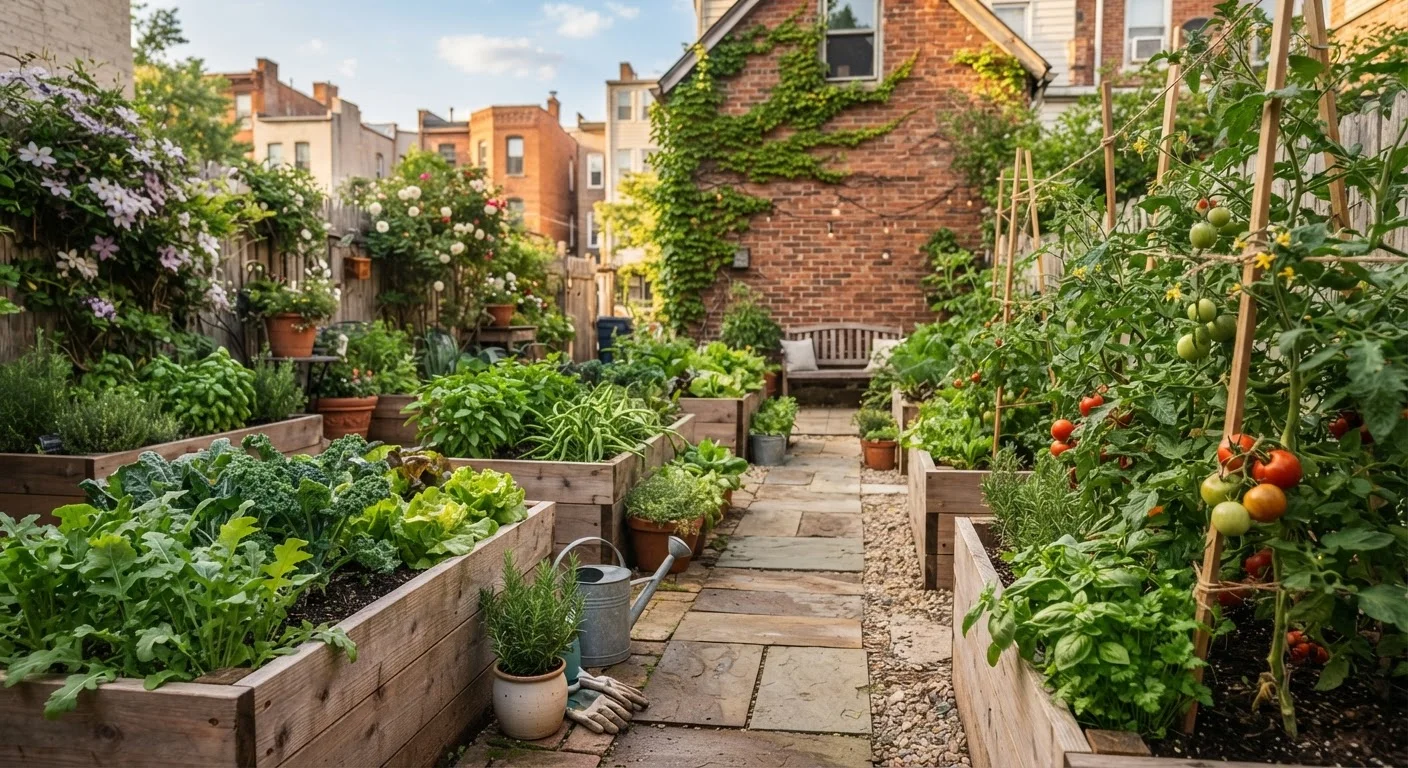
Photo: everyday-trends.com editorial
Key Takeaways
- Sunlight, not yard size, is the most important factor in a productive vegetable garden.
- Vertical growing and containers let you produce food in very limited outdoor areas.
- Compost and homemade soil amendments can cut your startup costs significantly.
- Fast-maturing crops like lettuce and radishes give beginners early, encouraging results.
- Raised beds can work well in small yards; compare them with in-ground plots before committing.
Assessing your space before you plant
Before buying a single seed packet, spend a week watching how sunlight moves across your yard. Note which areas get full sun (six or more hours of direct light), which are partly shaded, and which stay in shadow most of the day. That observation shapes every other decision.
Measure your available growing area in square feet. Even a 4-by-8-foot patch can produce a meaningful amount of food if planted well. Identify any obstacles: overhanging trees, roof overhangs, or nearby structures that block afternoon sun. Also check whether the ground drains after rain or stays waterlogged. Poor drainage discourages root growth and invites disease.
Full sun
An area that receives at least six hours of direct sunlight each day. Most fruiting vegetables require full sun to produce a good harvest.
Partial shade
An area that gets three to six hours of direct sun per day. Leafy vegetables like lettuce and spinach can grow in partial shade.
Soil amendment
Any material mixed into existing soil to improve its texture, drainage, or nutrient content. Compost and aged manure are common examples.
Determinate variety
A plant, usually a tomato, bred to grow to a fixed size and ripen its fruit in a short window. These compact plants work well in small spaces and containers.
Square-foot gardening
A planting method that divides a garden bed into one-foot squares, each holding a different crop at the correct spacing to maximize yield in a small area.
Compost
Decomposed organic material made from food scraps and yard waste. Mixed into garden soil, it adds nutrients and improves soil structure.
If your yard has patches with different light levels, map them. A partially shaded spot can still grow leafy greens productively, while your sunniest corner should be reserved for fruiting plants like tomatoes and peppers.
Choosing a layout that fits your yard
Small yards benefit from layouts that use space vertically, not just horizontally. A trellis or a simple fence panel lets cucumbers, pole beans, and peas climb upward rather than sprawl across the ground. That frees ground-level space for lower-growing plants underneath.
Square-foot gardening is a common method for tight spaces. It divides a raised bed into one-foot squares, with each square planted with one type of vegetable at a specific spacing. A standard 4-by-4-foot frame holds 16 squares and can grow a mix of crops without wasted space.
For a broader look at how raised beds compare to traditional in-ground planting in a small yard, see our comparison of raised beds and in-ground plots.
Paths between beds should be wide enough to kneel or crouch in comfortably, generally at least 18 inches. Narrower paths make weeding and harvesting harder and are easy to underestimate at the planning stage.
Draw your layout before you build
Container gardening on a budget
Containers make gardening possible on patios, driveways, and even stairs. They also let you move plants to follow the sun or bring them indoors during unexpected frost. Food-grade buckets, nursery pots, wooden crates, and fabric grow bags all work well. The main requirements are drainage holes and sufficient depth for the root system of whatever you are growing.
Purchasing containers at hardware stores or garden centers is straightforward, but reusing what you already own often cuts costs significantly. Five-gallon buckets work for tomatoes, peppers, and eggplants. Shallower containers suit lettuce, radishes, and herbs.
Container soil dries out faster than ground soil, so plants in pots need more frequent watering, sometimes daily in hot weather. A layer of mulch on top of the container slows moisture loss without harming the plants.
Growing your own produce connects naturally with household food budgeting. If you are working to stretch grocery spending, our guide to meal planning on a tight weekly budget covers how to plan meals around what you harvest alongside what you buy.
Preparing soil without spending much
Healthy soil is the foundation of a productive garden, but building it does not require expensive bags of pre-mixed planting media. Starting a compost pile with kitchen scraps (vegetable peels, coffee grounds, crushed eggshells) and yard waste (dry leaves, grass clippings) produces a free soil amendment over a few months.
If you need faster results, mixing a modest amount of purchased compost or aged manure into your existing yard soil improves drainage and nutrient content at a fraction of the cost of buying an entirely new growing medium. Most hardware and garden stores sell compost in bulk bags, which typically cost less per cubic foot than small bags.
Before amending anything, consider a basic soil test. Many cooperative extension programs offer low-cost or free testing. The results tell you the pH and which nutrients are lacking, so you only add what the soil actually needs rather than guessing.
Picking vegetables that make sense for beginners
Start with crops that mature quickly and tolerate minor beginner mistakes. Lettuce, spinach, radishes, and green onions can be ready to harvest in four to six weeks and show you results before the season ends. That early success reinforces good habits and gives you a sense of whether the garden is thriving.
Bush beans and compact determinate tomatoes (varieties bred to stay shorter and produce a concentrated harvest) are well-suited to small plots or large containers. Zucchini is extremely productive but spreads widely; one plant may be enough for a small yard, and a vertical training technique can help contain it.
Herbs like basil, chives, and parsley grow well in containers, cost little to start from seed, and get used regularly in everyday cooking, which makes them genuinely practical alongside a food budget strategy. Growing them at home consistently costs less than buying bundles from a grocery store over a whole season.
Avoid overplanting in your first year. A smaller, well-maintained plot produces more usable food than a large neglected one.
Frequently Asked Questions
The content provided on our blog site traverses numerous categories, offering readers valuable and practical information. Readers can use the editorial team’s research and data to gain more insights into their topics of interest. However, they are requested not to treat the articles as conclusive. The website team cannot be held responsible for differences in data or inaccuracies found across other platforms. Please also note that the site might also miss out on various schemes and offers available that the readers may find more beneficial than the ones we cover.