
Second-Hand vs. New: When Buying Used Genuinely Saves Money

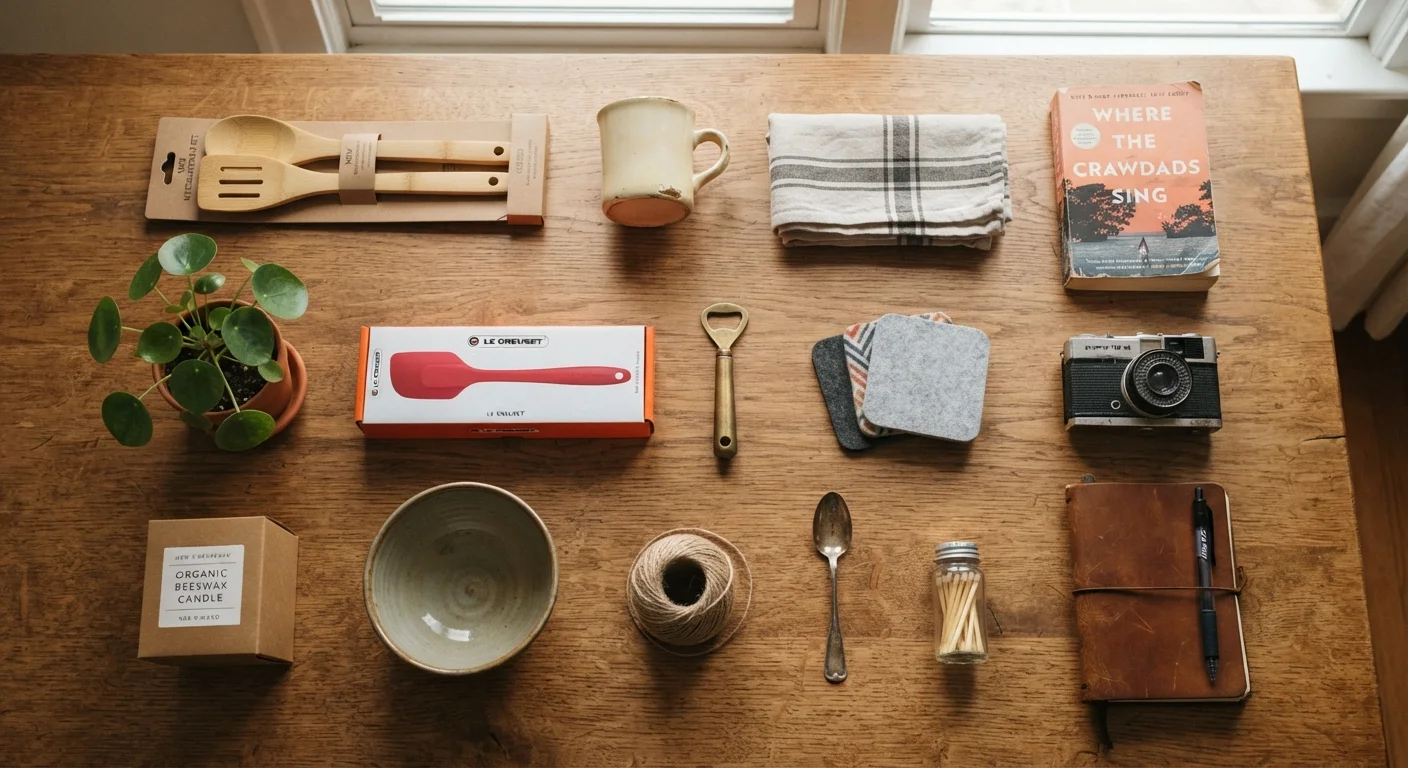
Photo: everyday-trends.com editorial
Key Takeaways
- Used goods save money in some categories but carry hidden costs in others.
- Items that depreciate quickly, like vehicles and furniture, often offer strong secondhand value.
- Electronics and safety-related gear, such as car seats, generally warrant more caution when bought used.
- Condition, provenance, and the ability to inspect before buying all affect whether a used purchase is truly a deal.
- A simple rule: the longer the expected lifespan and the lower the safety risk, the stronger the case for buying used.
Why the used-vs.-new question does not have one answer
The appeal of buying secondhand is obvious: lower sticker price, less waste, and the occasional find that feels like a small victory. But the savings are not uniform. A used couch bought for a third of its retail price is usually a win. A used car seat with an unknown crash history is a different story entirely.
The real variable is what happens to value, risk, and usability over time in each product category. Some goods lose most of their value the moment they leave a store. Others degrade in ways that are invisible to a buyer but very real in practice. Mapping those patterns by category is what makes the used-vs.-new decision genuinely useful rather than a vague preference.
This article covers the categories most relevant to American families: vehicles, furniture, clothing, electronics, and safety gear. For a deeper look at how vehicle depreciation shapes timing decisions specifically, see how depreciation affects family car purchases.
Categories where used typically wins
Furniture and home goods. Solid wood tables, bookshelves, and upholstered pieces often sell secondhand for 60 to 80 percent below retail. Furniture does not become functionally worse with age as long as the structure is sound. A quick in-person inspection for wobble, water damage, and fabric condition is usually enough to judge quality. Estate sales, local marketplaces, and thrift stores are productive places to look.
Clothing and accessories. Gently used clothing, particularly for children who outgrow sizes quickly, offers some of the clearest savings in any category. A child's jacket worn for one season is functionally identical to a new one. Adult clothing from consignment shops frequently includes items worn once or twice, with tags still attached.
Books and media. A used paperback carries exactly the same text as a new one. Academic textbooks, in particular, can cost hundreds of dollars new, and used copies are widely available. Physical media such as DVDs and board games hold their utility perfectly well secondhand.
Vehicles. New vehicles lose a significant portion of their value in the first few years of ownership, which means a well-maintained used vehicle can provide comparable transportation at meaningfully lower cost. A pre-purchase inspection by a qualified mechanic is strongly advisable. For families weighing the certified pre-owned route, comparing new and certified pre-owned vehicle costs lays out the warranty and pricing trade-offs in detail.
| Category | Used purchase | New purchase | |
|---|---|---|---|
| Typical savings potential | Furniture: 60-80% below retail | Clothing: 50-70% below retail | Vehicles: 20-40% below new |
| Safety considerations | Low for furniture, books, clothing | High for car seats, helmets, mattresses | New provides full known history |
| Warranty and returns | Rarely available secondhand | Usually none or very limited | Full manufacturer warranty standard |
| Inspection feasibility | Possible in person for most items | Harder for electronics and appliances | Condition guaranteed by seller |
| Depreciation impact | Buyer avoids steepest curve | Vehicles: value already dropped | Buyer absorbs initial drop |
| Best-suited buyer | Budget-focused, flexible on source | Willing to research and inspect | Prioritizes certainty and coverage |
Categories where new usually makes more sense
Child safety seats and helmets. Safety gear has finite service lives and may be compromised by impacts that leave no visible marks. Car seats also have expiration dates set by manufacturers, and a seat involved in a moderate or severe crash should not be reused. The Consumer Product Safety Commission advises against using a car seat of unknown history. This is one category where the financial savings are not worth the safety trade-off.
Mattresses. Hygiene is the primary concern here. Mattresses can harbor allergens, dust mites, and bed bugs, and a used mattress rarely comes with any information about how it was stored or cleaned. The savings tend to be modest relative to the health and comfort risk.
Major appliances with no warranty. A used washing machine or refrigerator might work perfectly for years, or it might fail within months. Without any warranty coverage, repair costs can quickly erase the original price difference. If buying used appliances, budgeting for a possible service call is wise.
Electronics with unclear histories. Used smartphones, laptops, and tablets can be good value if purchased from a seller offering a return window or from a manufacturer-certified refurbishment program. Private-sale electronics with no testing period carry real risk of hidden battery degradation or water damage. Manufacturer-refurbished units often come with limited warranties and represent a middle path worth considering.
How to evaluate any used purchase before committing
Always check for open recalls before buying used
A few practical questions apply across nearly every category. Can you inspect the item in person, or at minimum receive detailed photos and a return option? Is the item subject to any open safety recalls? For vehicles, electronics, and appliances, a quick recall check through government databases takes only a few minutes and can surface serious issues.
Price comparison matters too. A used item priced at 70 percent of retail with no warranty and uncertain condition may not be a better deal than a new item with a full warranty and known history. The comparison should include realistic estimates of repair or replacement cost if the used item fails early.
Provenance, or knowing where an item came from, changes the risk profile considerably. A piece of furniture from a smoke-free, pet-free home is different from one with an unknown background. A used instrument from a music school that maintained its inventory carefully is different from one purchased from an anonymous online listing.
Thinking about these questions systematically is part of a broader approach to household finances. Understanding saving versus investing covers how those budget decisions connect to longer-term financial goals for families.
The content provided on our blog site traverses numerous categories, offering readers valuable and practical information. Readers can use the editorial team’s research and data to gain more insights into their topics of interest. However, they are requested not to treat the articles as conclusive. The website team cannot be held responsible for differences in data or inaccuracies found across other platforms. Please also note that the site might also miss out on various schemes and offers available that the readers may find more beneficial than the ones we cover.