
What to Do in the First 24 Hours After a Minor Car Accident

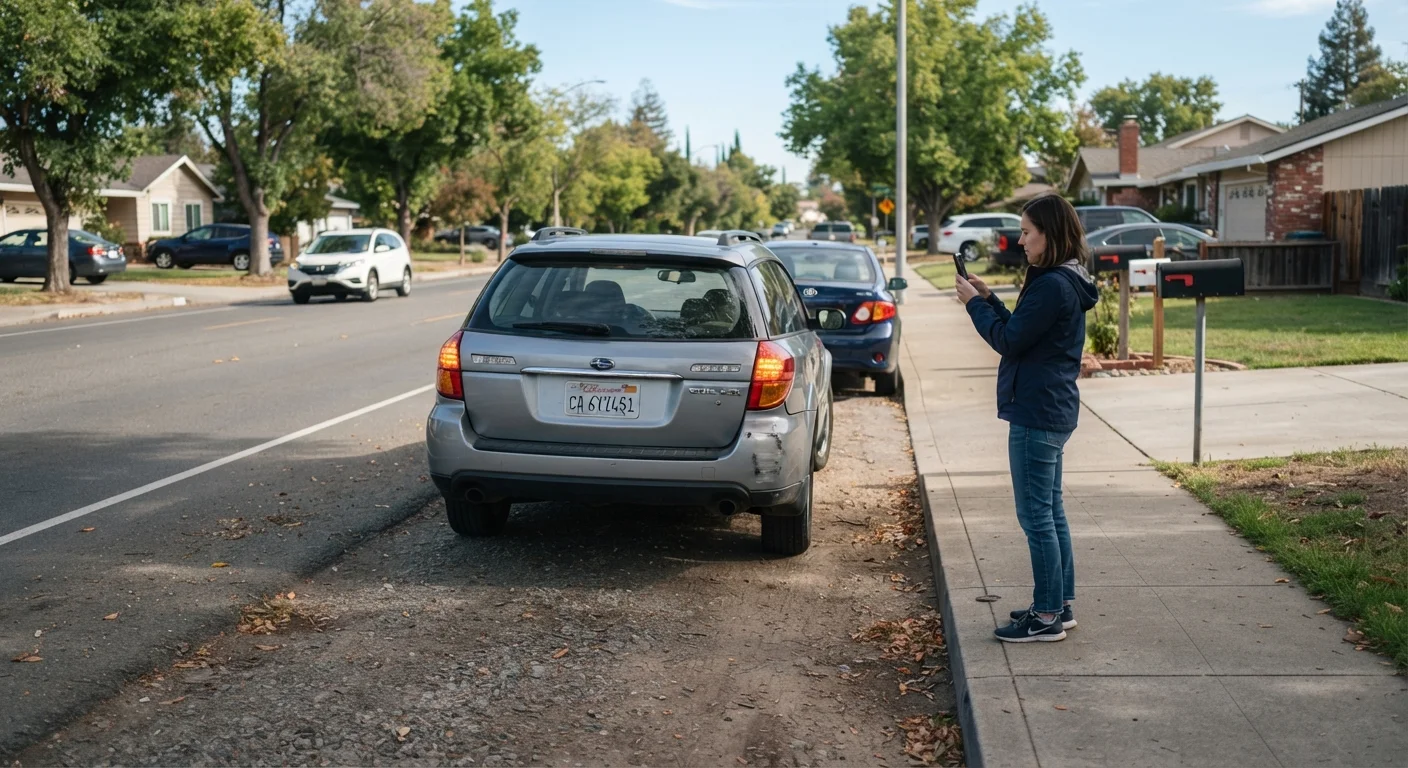
Photo: everyday-trends.com editorial
Key Takeaways
- Move your vehicle to a safe location before doing anything else.
- Photograph all damage, license plates, and the scene before vehicles are moved far.
- Exchange insurance and contact information with all involved parties.
- File a police report even for minor collisions when your state requires it.
- Notify your insurer promptly, as delayed reporting can complicate claims.
- Watch for delayed injury symptoms and see a doctor if anything feels off.
Why the first hour matters
A minor accident can feel chaotic, and the decisions you make in the minutes immediately after shape what happens later with insurance, liability, and any potential legal dispute. Skipping steps because damage looks small is one of the most common mistakes drivers make. A cracked bumper that seems trivial at the scene can hide sensor or structural damage that costs several thousand dollars to repair, and insurers need accurate, timely information to process a claim correctly.
This guide walks through what to do, in order, so nothing important gets missed.
What you will need
Step-by-step: what to do after a minor collision
Follow these steps in sequence. Skipping ahead, particularly to exchanging information before you have confirmed safety, can create problems.
Move to safety and turn on hazard lights
If the vehicles are drivable and staying in a travel lane creates a hazard, move them to the shoulder or a nearby parking lot. In most states, drivers are required to move vehicles out of traffic after a minor collision when no one is seriously injured. Turn on hazard lights immediately so other drivers can see you.
Check everyone for injuries
Ask everyone in your vehicle and the other vehicle if they are hurt. If anyone reports pain, dizziness, or confusion, call 911 immediately. Do not let the minor appearance of the damage convince you to skip medical evaluation for anyone who says they feel unwell. Pain from a spinal or head injury can be subtle right after impact.
Call the police if required or advisable
Many states require a police report when property damage exceeds a specific dollar threshold, typically between $500 and $1,500 depending on the state. Even when not legally required, a police report gives your insurer an independent, official account of the incident. Disputes about fault are much harder to resolve without one. Search your state's DMV website to confirm your local reporting thresholds.
Document the scene thoroughly
Use your phone to photograph every angle of the damage on all vehicles, the license plates of all vehicles involved, the surrounding road, any traffic signs or signals, skid marks, and the general position of the vehicles. Do this before vehicles are moved further. Take wide shots that show context and close shots that show specific damage.
Note the time, street name or intersection, direction each vehicle was traveling, and weather and road conditions.
Exchange information with the other driver
Collect the following from every driver involved:
- Full legal name and contact number
- Driver's license number and issuing state
- Vehicle registration information (year, make, model, plate number, VIN if accessible)
- Insurance company name and policy number
Photograph their license and insurance card rather than copying numbers by hand, which reduces transcription errors.
Collect witness information
If bystanders saw the accident, ask for their names and phone numbers. Witnesses who are willing to provide a statement can help resolve disputes about fault. You cannot compel anyone to stay, so ask promptly before people leave.
Notify your insurance company
Contact your insurer before the end of the day, even if you are not planning to file a claim immediately. Most policies require prompt notification of any accident. Waiting several days can create complications with coverage eligibility. Your insurer can also advise whether filing a claim makes sense given your deductible and the estimated repair cost.
After the scene: next steps within 24 hours
Once you leave the accident location, the clock continues. Most insurers ask policyholders to report incidents promptly, and many policies define "prompt" as within 24 to 72 hours. Log into your insurer's app or call their claims line as soon as you are somewhere safe and calm.
Write down everything you remember about how the accident happened while it is fresh: road conditions, speed, traffic signals, what the other driver said. This personal account can matter if the story changes later.
Watch yourself physically. Whiplash and soft-tissue injuries sometimes take 24 to 48 hours to become noticeable. If your neck, back, or head feels off the next morning, see a doctor before assuming it will pass. A documented medical visit creates a record that protects you if symptoms worsen.
Keep a simple accident kit in your glove box
This article is for general informational purposes only and does not constitute legal or insurance advice. For guidance specific to your situation, consult a licensed insurance professional or attorney in your state.
The content provided on our blog site traverses numerous categories, offering readers valuable and practical information. Readers can use the editorial team’s research and data to gain more insights into their topics of interest. However, they are requested not to treat the articles as conclusive. The website team cannot be held responsible for differences in data or inaccuracies found across other platforms. Please also note that the site might also miss out on various schemes and offers available that the readers may find more beneficial than the ones we cover.